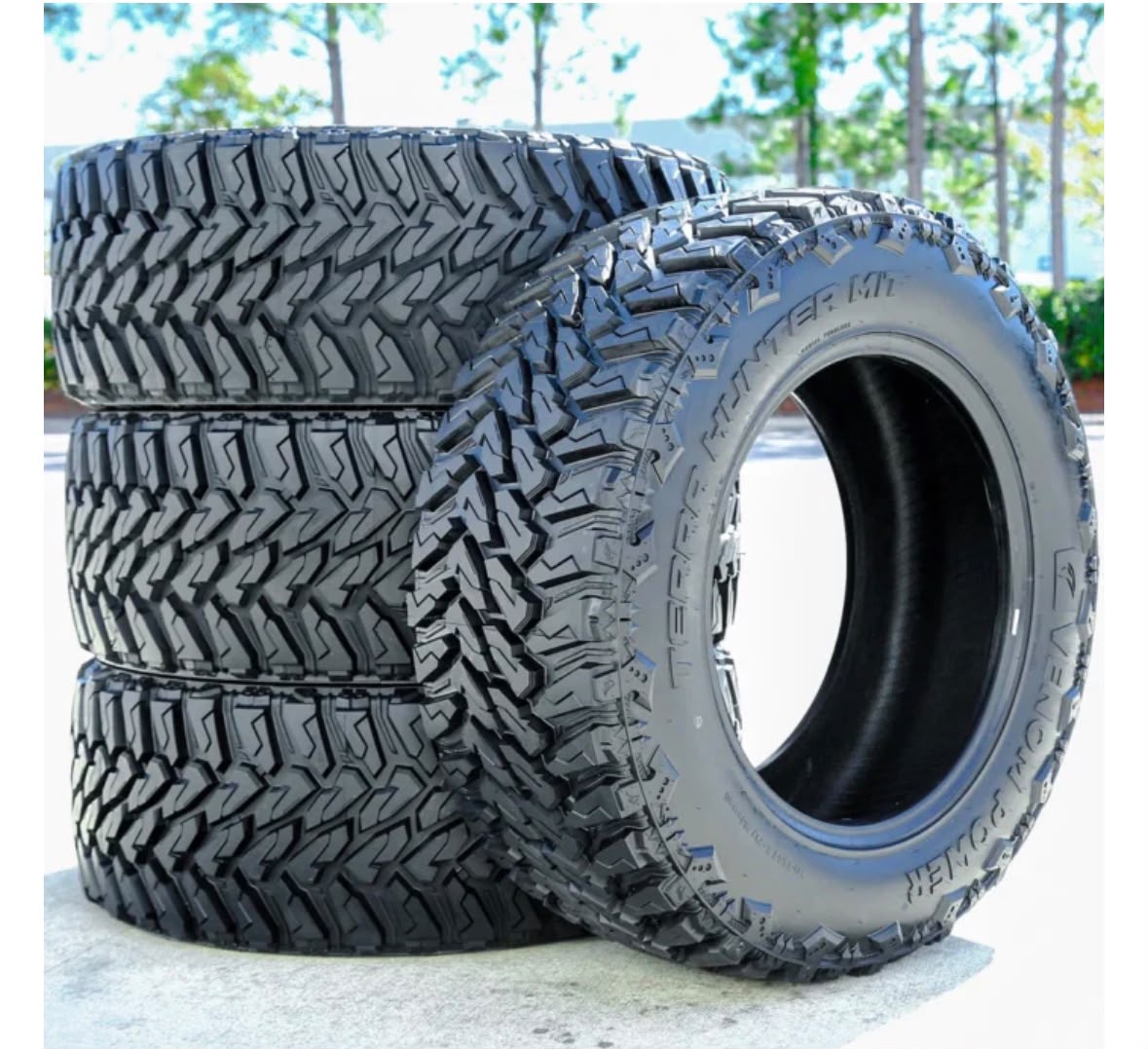
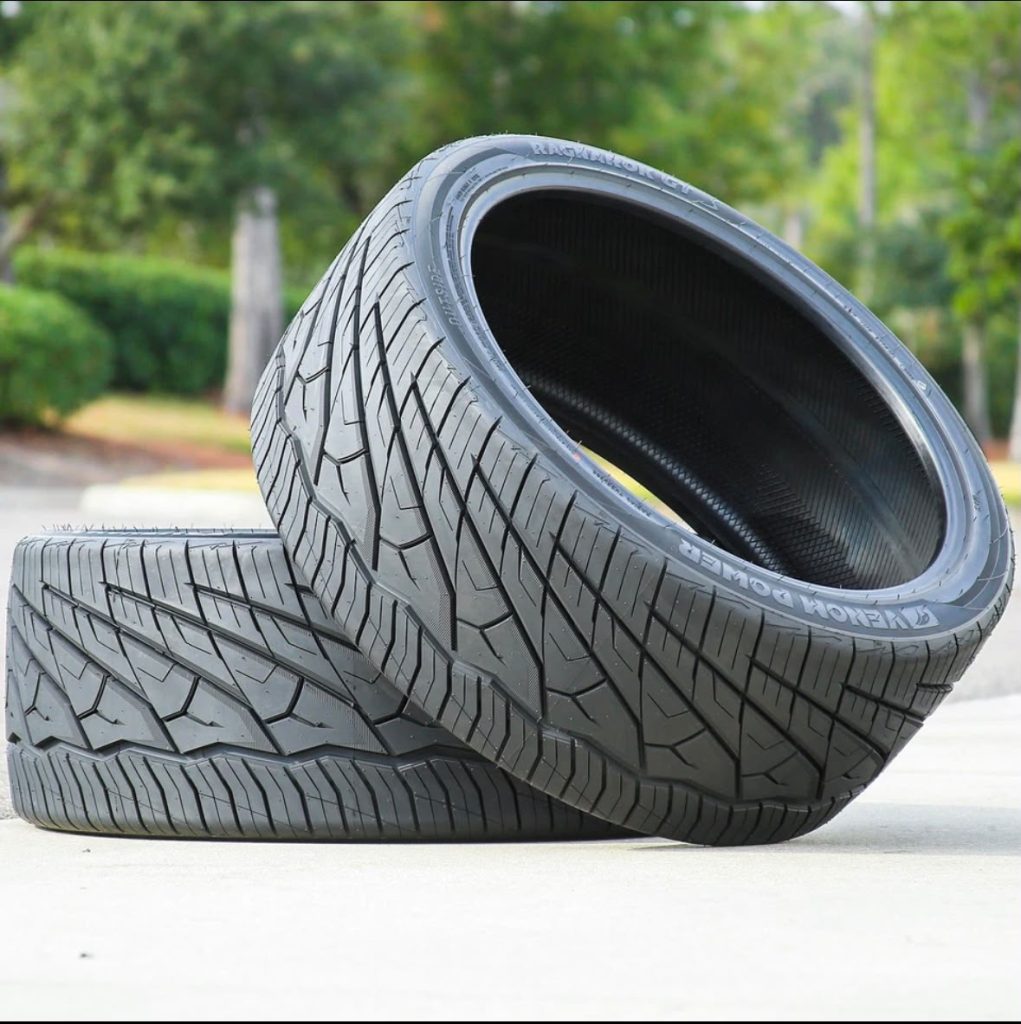
To buy tires online and ship to an installer: (1) find your tire size on the driver’s door-jamb placard or sidewall, (2) order online and select “ship to installer” at checkout, (3) choose a local shop from the installer network, and (4) book a mounting appointment. Tires typically arrive in 1–3 business days, ready to install
Buying tires online used to feel like a leap of faith. Today it’s the smarter way to shop — you get a far bigger selection, lower prices, and the exact same tires your local shop would order anyway. The one part that trips people up is installation: how do the tires actually get on the car? The answer is simpler than most people expect. You can have them shipped directly to a nearby installer who mounts them for you, or sent to your door to bring in yourself. Here’s exactly how the process works, start to finish
Why buy tires online instead of at a shop?
Three reasons: price, selection, and control. A physical shop stocks maybe two or three options in your size and orders the rest from a distributor anyway — usually a 1–3 day wait, the same as shipping. Online, you can compare hundreds of tires side by side, filter by what matters to you (tread life, winter rating, price, brand), and read real specs before you commit. You’re not stuck with whatever’s on the rack. The convenience is real, but so are the savings. Skipping the showroom markup and shipping straight from regional warehouses is how online retailers keep prices down — and why we back every order with free shipping and a price-match promise. If you already know what you want, you can shop all tires and check out in minutes.
Step 1 — Find your correct tire size
Before anything else, you need your size. There are two reliable places to find it. The door-jamb placard. Open your driver’s door and look at the frame where the door latches. There’s a sticker listing your vehicle’s factory tire size, recommended pressure, and load specs. This is the manufacturer’s recommended size — the safest default. The sidewall. Your current tires have the size molded right into the rubber, in a format like 225/65R17 91H. If you’re not sure what those numbers mean, our guide on how to read your tire size breaks down every digit in plain English. Not sure where to start? You can also find tires for your vehicle by entering your year, make, and model, and we’ll match the correct sizes automatically.
Step 2 — Order online and choose your shipping method
Once you’ve picked your tires and added them to the cart, checkout gives you two delivery paths: Ship to your home. The tires arrive at your door, and you take them to any local shop for mounting. Call ahead and ask about their “carry-in” mounting fee — most shops are happy to install tires you bring in.
Ship directly to an installer. This is the easiest option. You select a partner installation shop near you right at checkout, and the tires get shipped straight there — you never have to handle or haul them. The shop is notified the order is yours, so when you show up, they’re expecting you. You can review shipping & delivery times before you order so you know exactly when to book your appointment.
Step 3 — Pick a local installer
If you chose the ship-to-installer route, you’ll select your shop during checkout. Expect to pay an installation fee separate from the tires — mounting and balancing typically runs around $25 per tire, depending on tire size, vehicle, and your area. That fee covers mounting, balancing, valve stems or TPMS reset where needed, and disposal of your old tires. When you go in for the appointment, bring your order confirmation or invoice — the installer will use it to verify the tires are yours. That’s really all there is to it: show up, hand over the keys, and drive out on fresh rubber.
Step 4 — Book your appointment and what to expect
After your tires ship, schedule your install for the day they’re expected to land (or a day after, to be safe). A standard four-tire mount-and-balance takes most shops about 45 minutes to an hour. They’ll torque the lug nuts to spec, reset your tire-pressure monitoring system, and dispose of the old tires for you. A quick tip: plan to re-torque your lug nuts after about 50–100 miles — many shops will do this free, and it’s a smart safety habit after any tire change.
Are online tires the same as in-store tires?
Yes — identical. Every tire legally sold in the United States carries a Department of Transportation (DOT) Tire Identification Number molded into the sidewall, certifying it meets federal NHTSA tire safety standards. The last four digits of that code tell you the week and year the tire was made (for example, “3225” means the 32nd week of 2025). An online tire and a showroom tire of the same model come off the same production lines and carry the same DOT stamp, the same manufacturer tire markings, and the same factory warranty. One important note on that warranty: most manufacturers require professional installation to keep coverage valid, and warranty terms usually run four years from your purchase date or five years from the manufacture date — so hang on to your receipt. This is exactly why shipping to a qualified installer beats a DIY garage job.
How long does tire shipping take?
For in-stock tires shipped within the continental U.S., expect delivery in 1–3 business days. Speed depends on which warehouse is closest to you and current stock, but because tires ship from regional distribution centers, most orders arrive fast. We’ll show you an estimated delivery date at checkout so you can line up your installation appointment with confidence.
The bottom line
Buying tires online and shipping to an installer gives you the selection and pricing of the internet with the hands-on safety of a professional mount. Find your size, order, pick a shop, and book — four steps, no guesswork. When you’re ready, find tires for your vehicle and let us handle the rest.